Tesla for Business
- Role
- Design Lead2020–2023
- Team
- Hands-on lead with 3 PMs and 12 engineers. Managed 2 designers in 2022–23.
- Outcome
- Built bulk ordering and delivery behind flagship deals with Hertz and Uber. Sales grew 150% year over year in 2022. Reduced fleets’ data costs 94% with streaming telemetry. When I left, it ran more than 150,000 vehicles and 2,000 Wall Connectors in 27 countries.
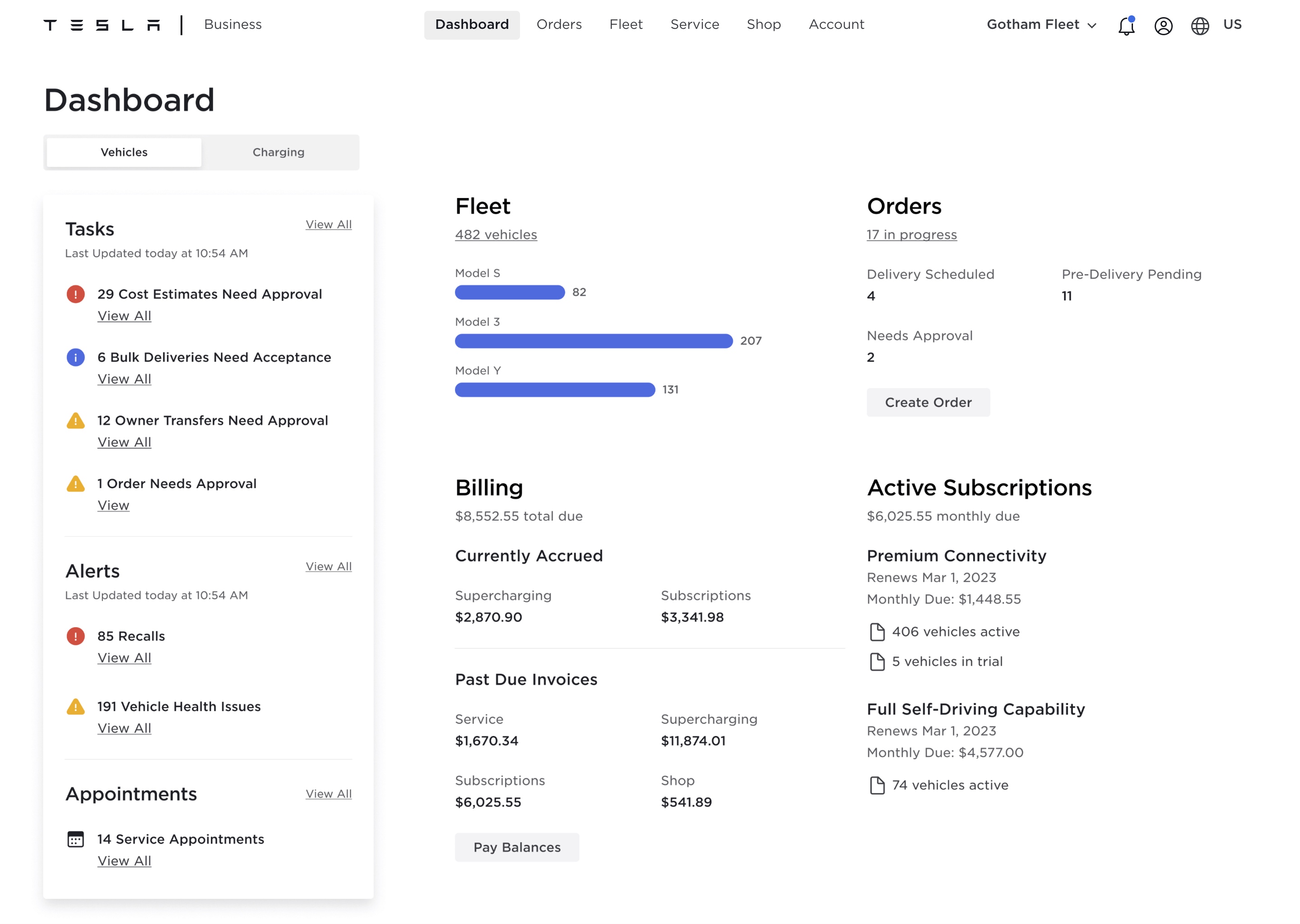
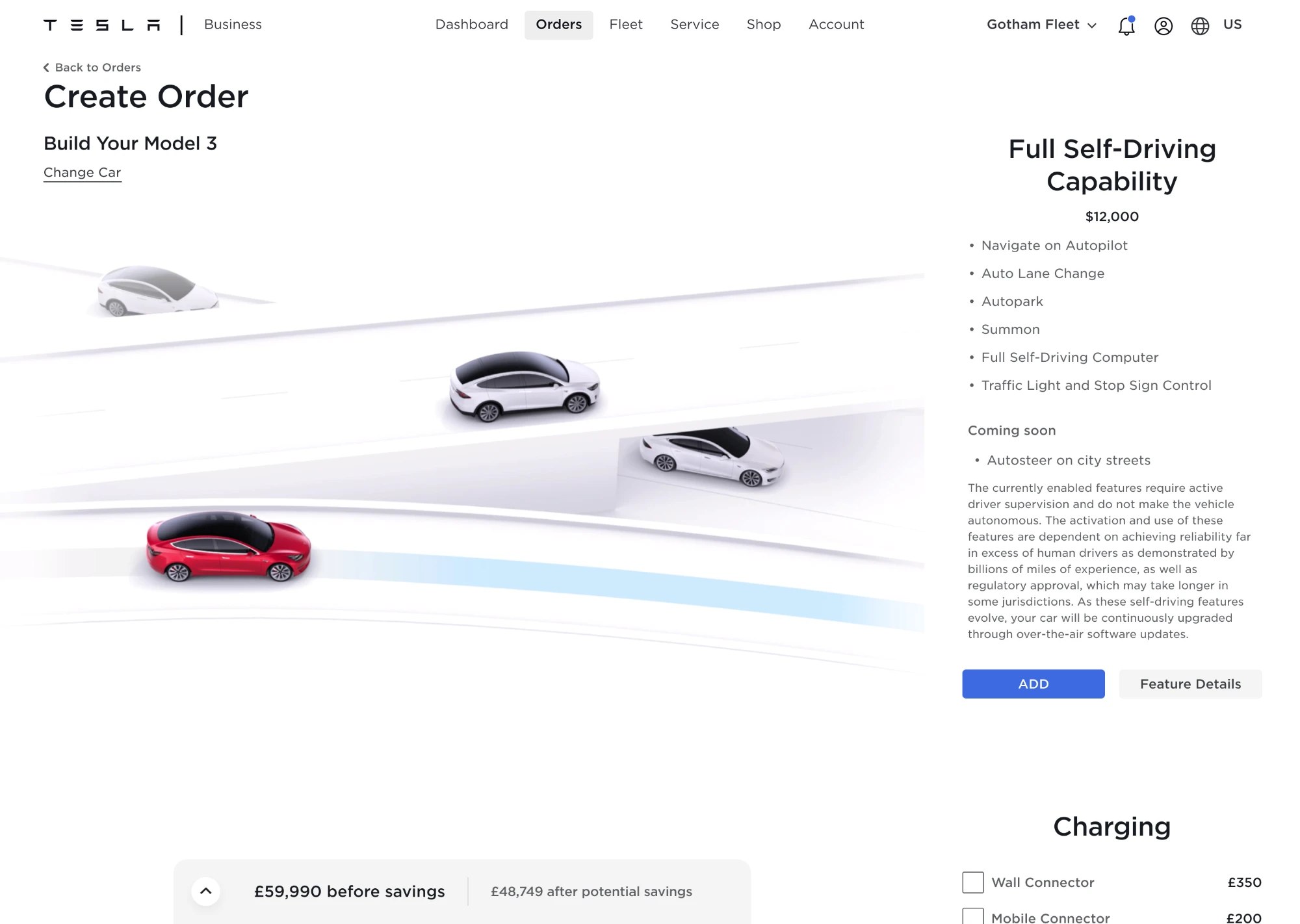
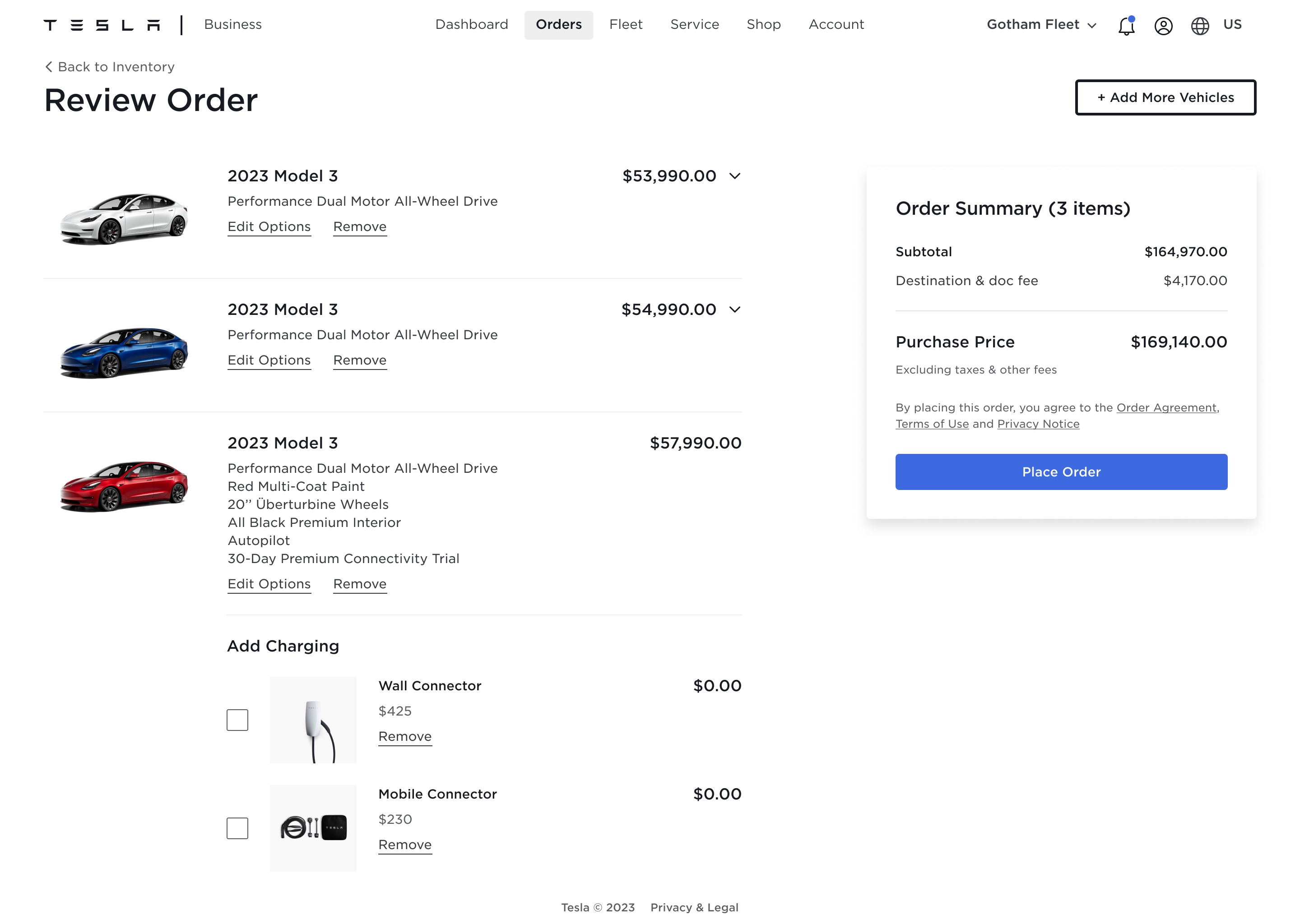
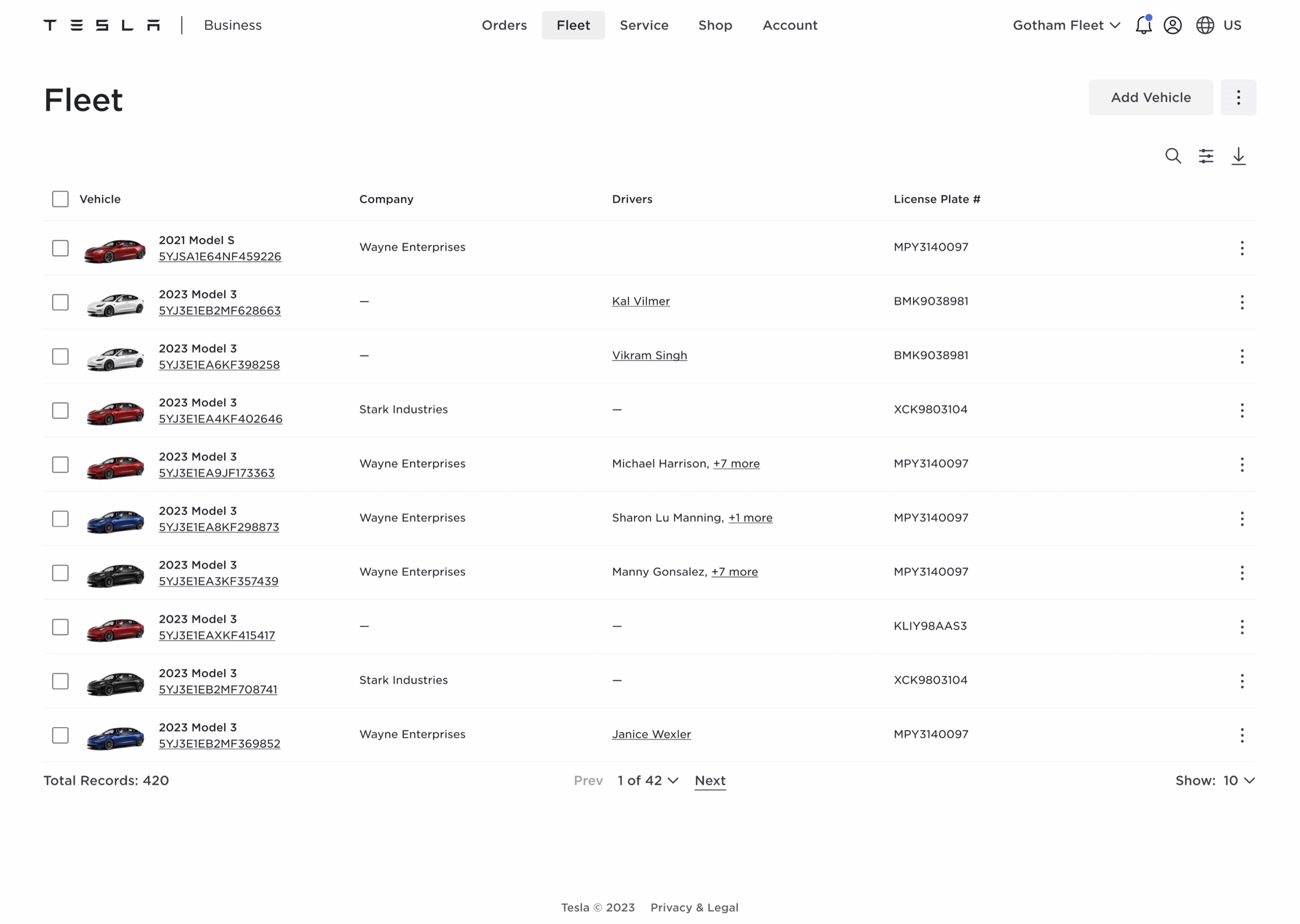
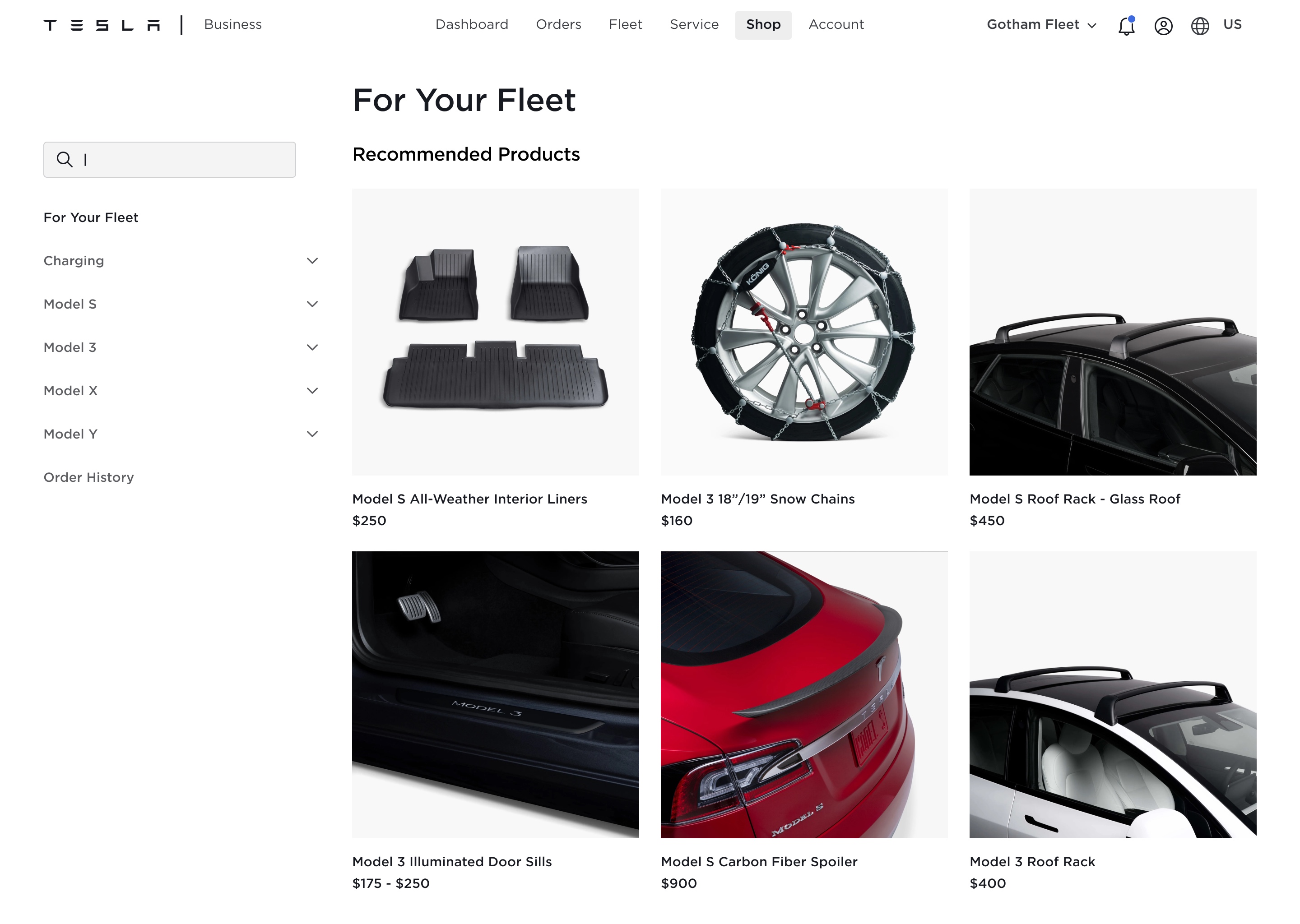
I took Tesla for Business from the first sketches to launch and the years after: how companies buy, take delivery of and run their Tesla fleets and charging sites. It carried flagship deals with Hertz and Uber, alongside fleet companies around the world: if you rode in a Tesla on Uber, rented one from Hertz or charged at a resort, that fleet ran on it.
The bet
Fleet management companies were buying Teslas by email and phone, one order at a time. After research with customers in the US and the Netherlands, I bet on a self-serve platform for the people who keep fleets moving, from the logistics lead receiving hundreds of cars to the driver who just needs one that’s ready. Onboarding went from six weeks to 15 minutes, and handing over a car from two weeks to two minutes.
Tesla Semi
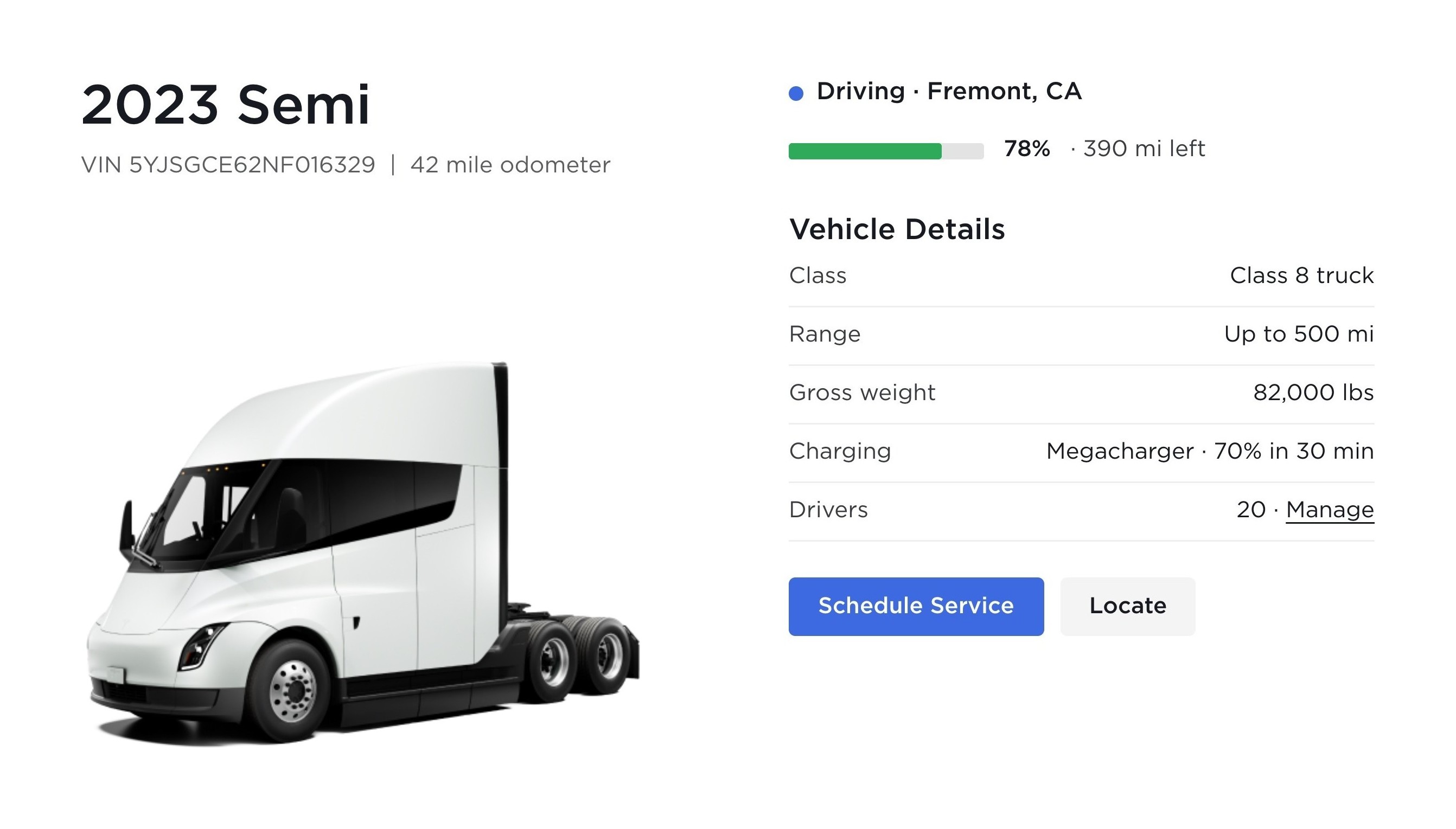
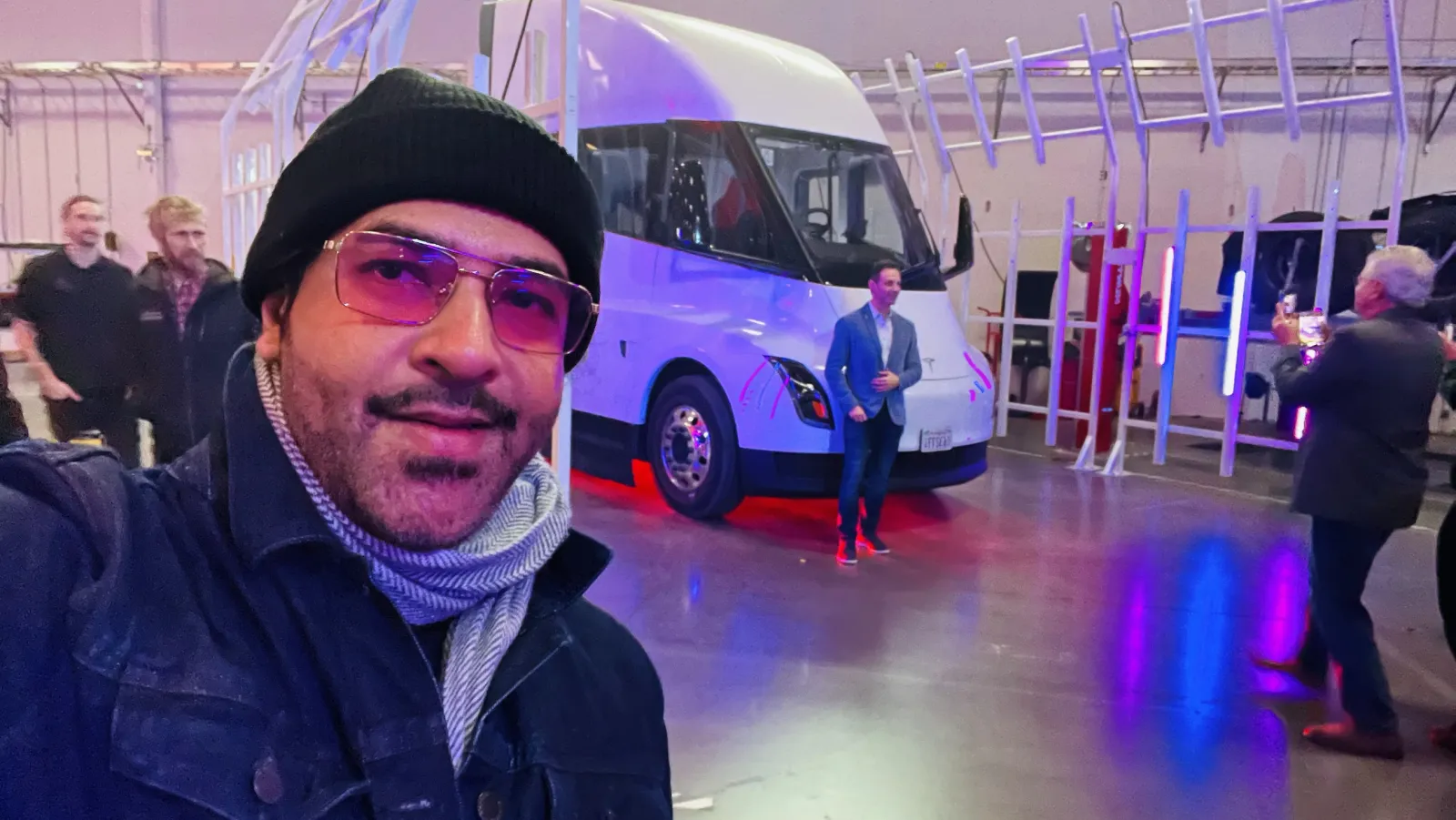
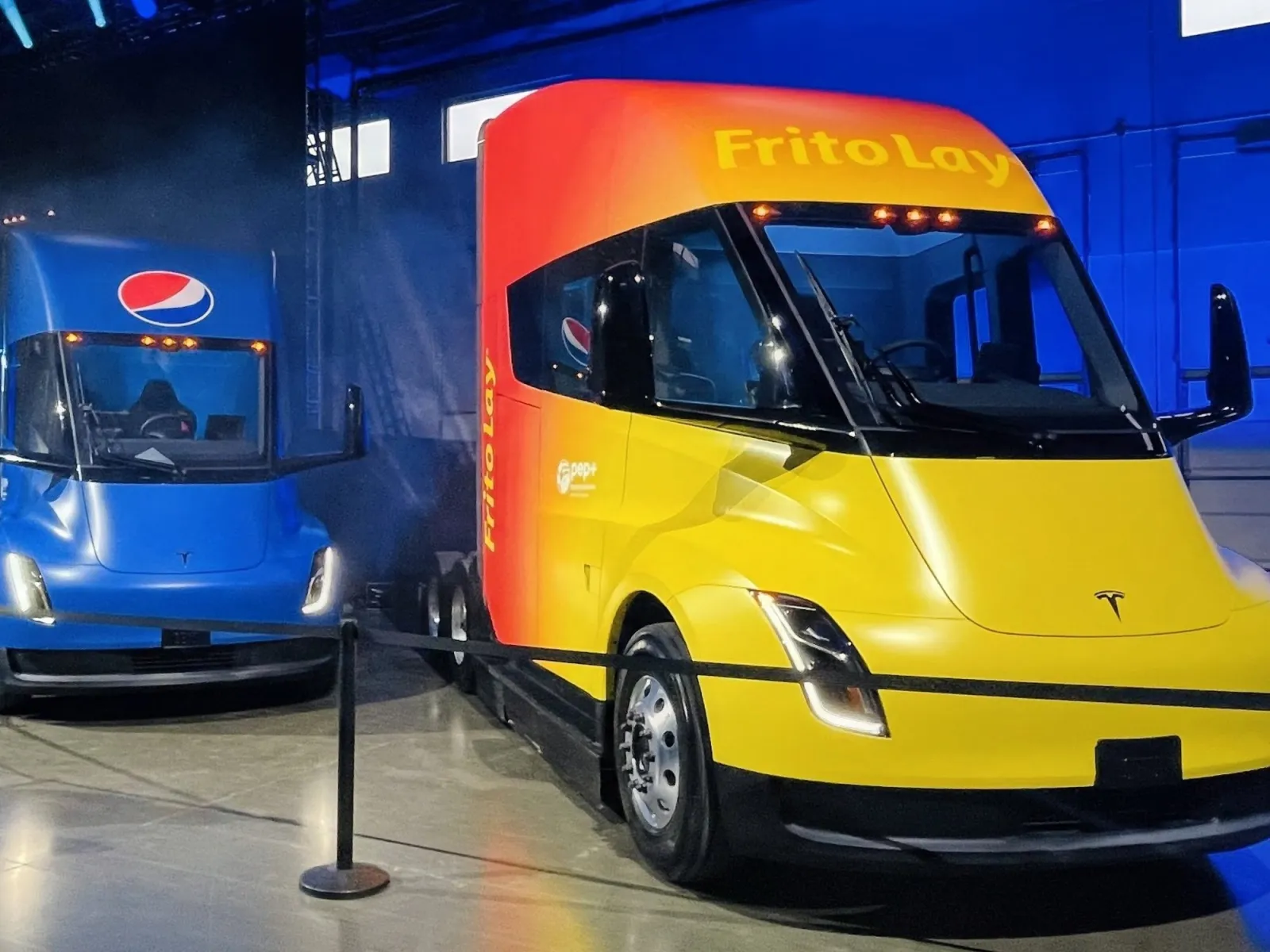
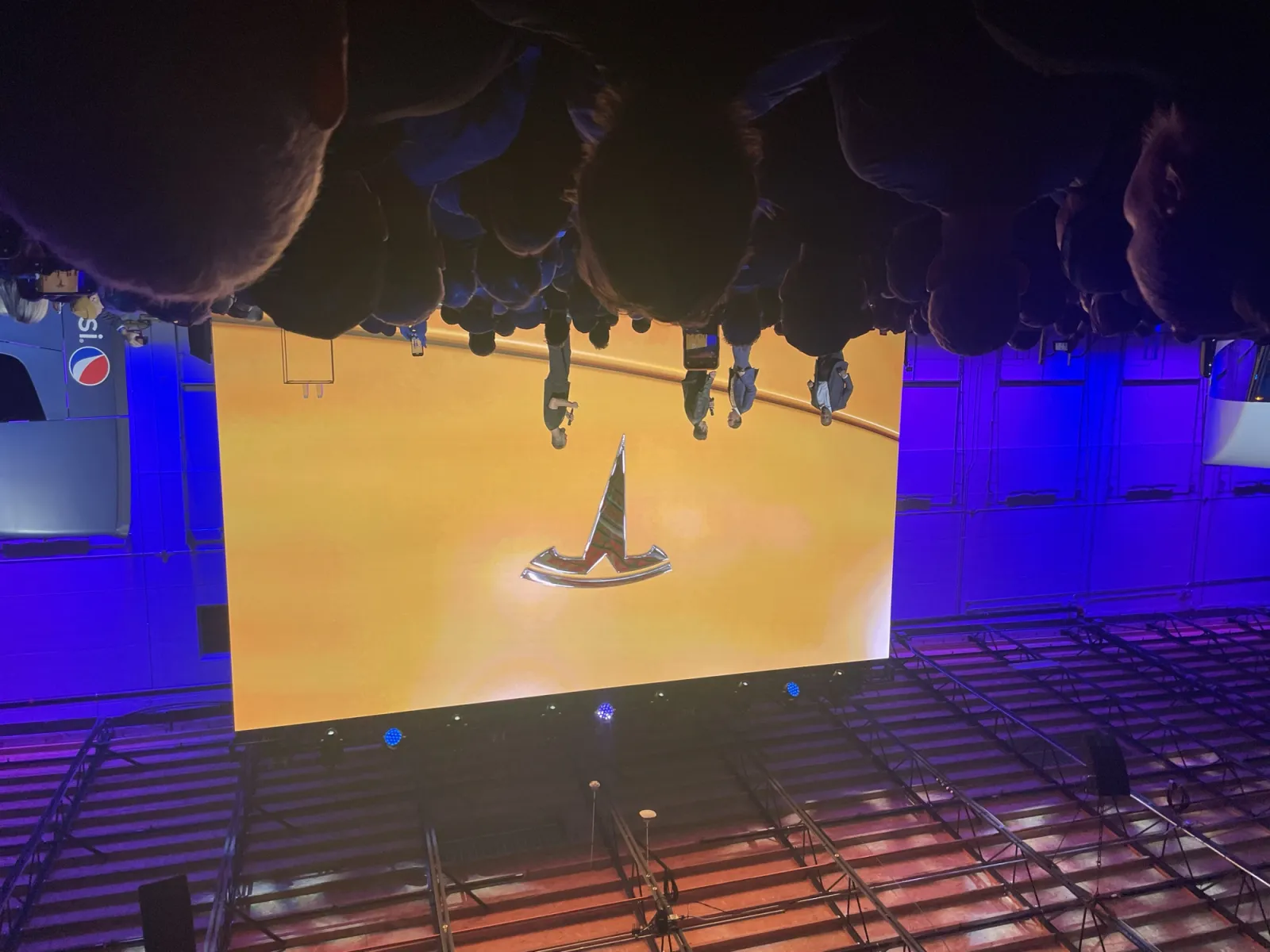
I extended Tesla for Business to Semi: each truck’s details, charge and the drivers who share it. I was there in December 2022 when PepsiCo took the first ones.
A hundred thousand cars for Hertz
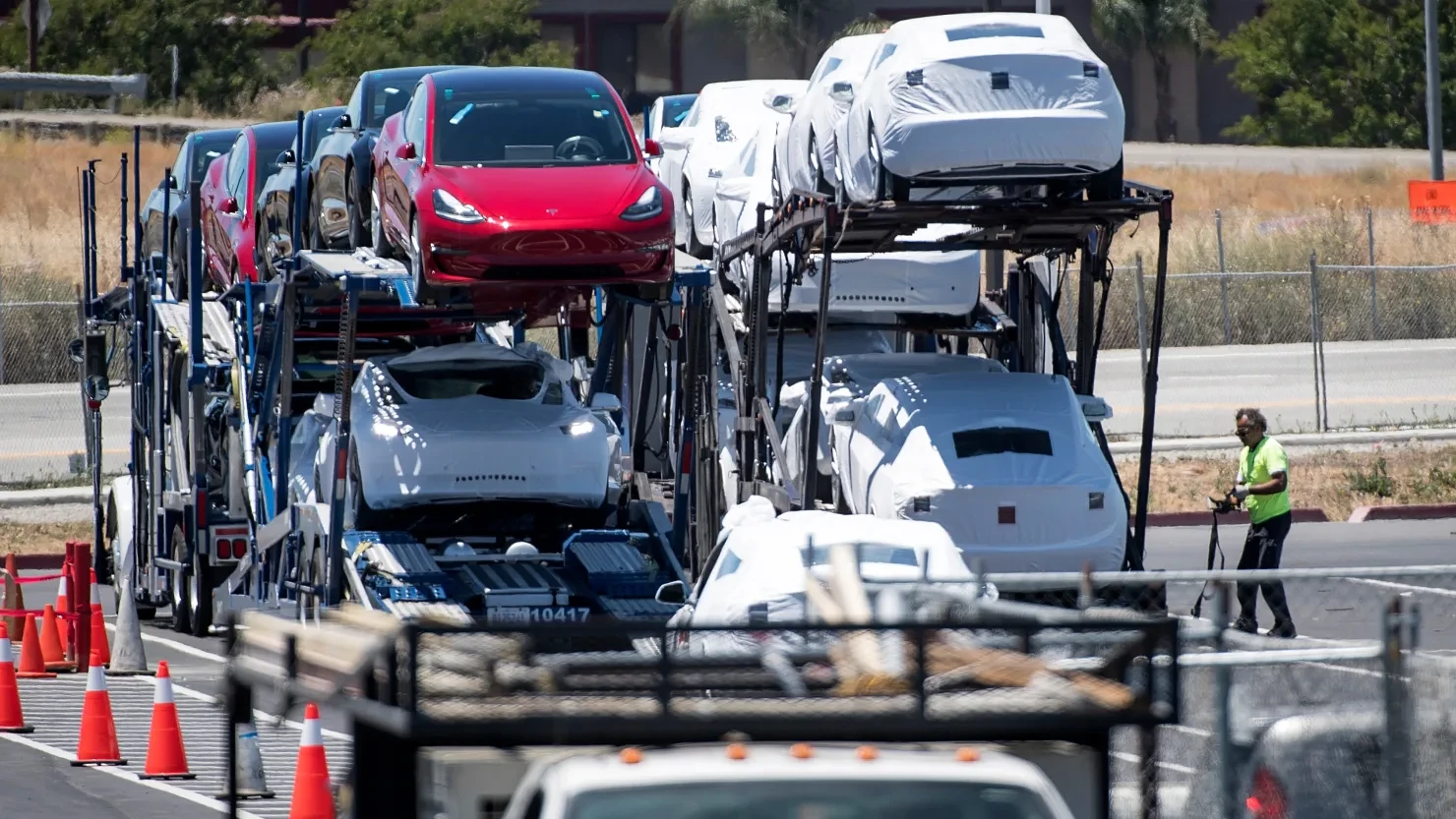
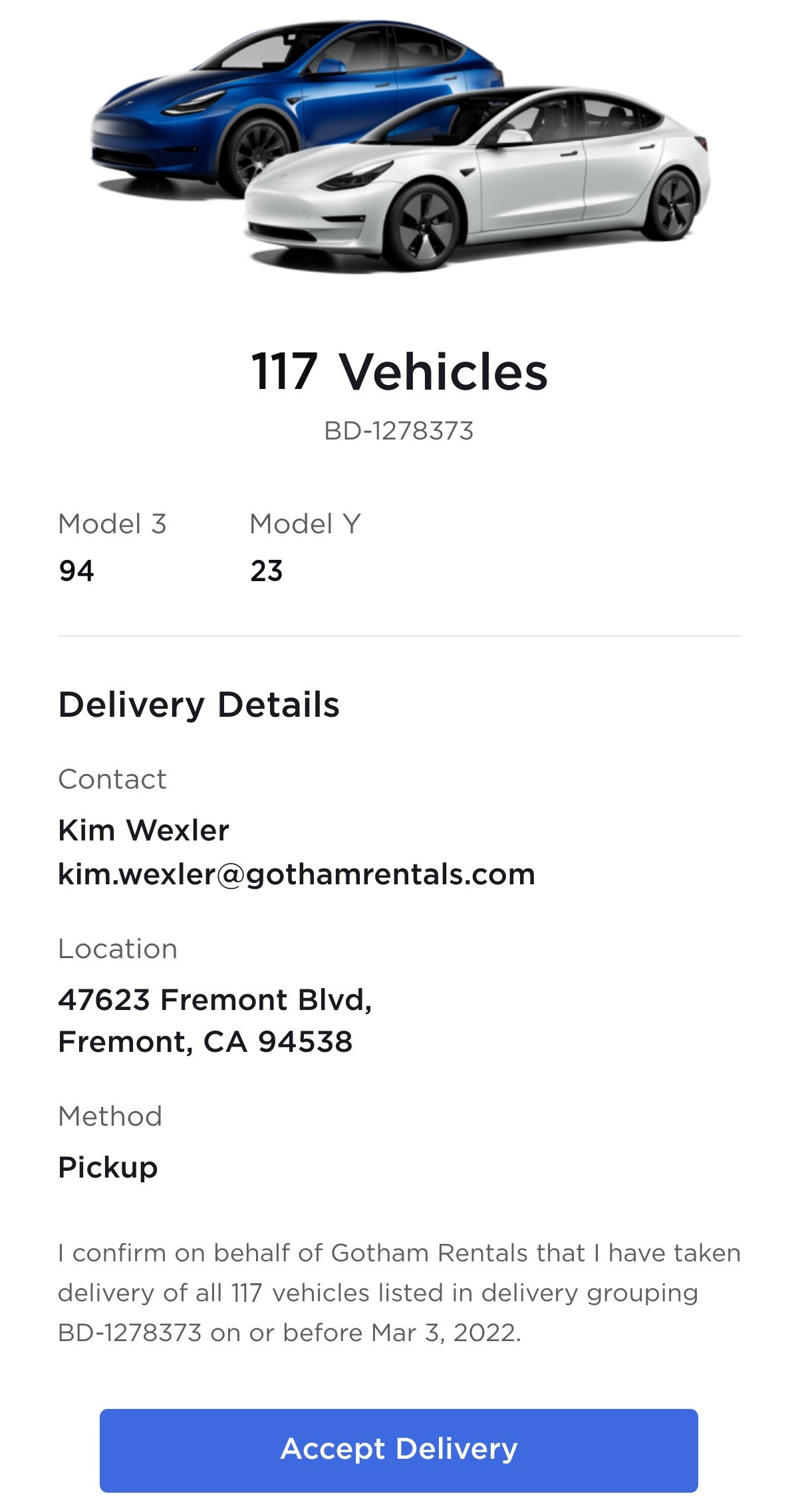
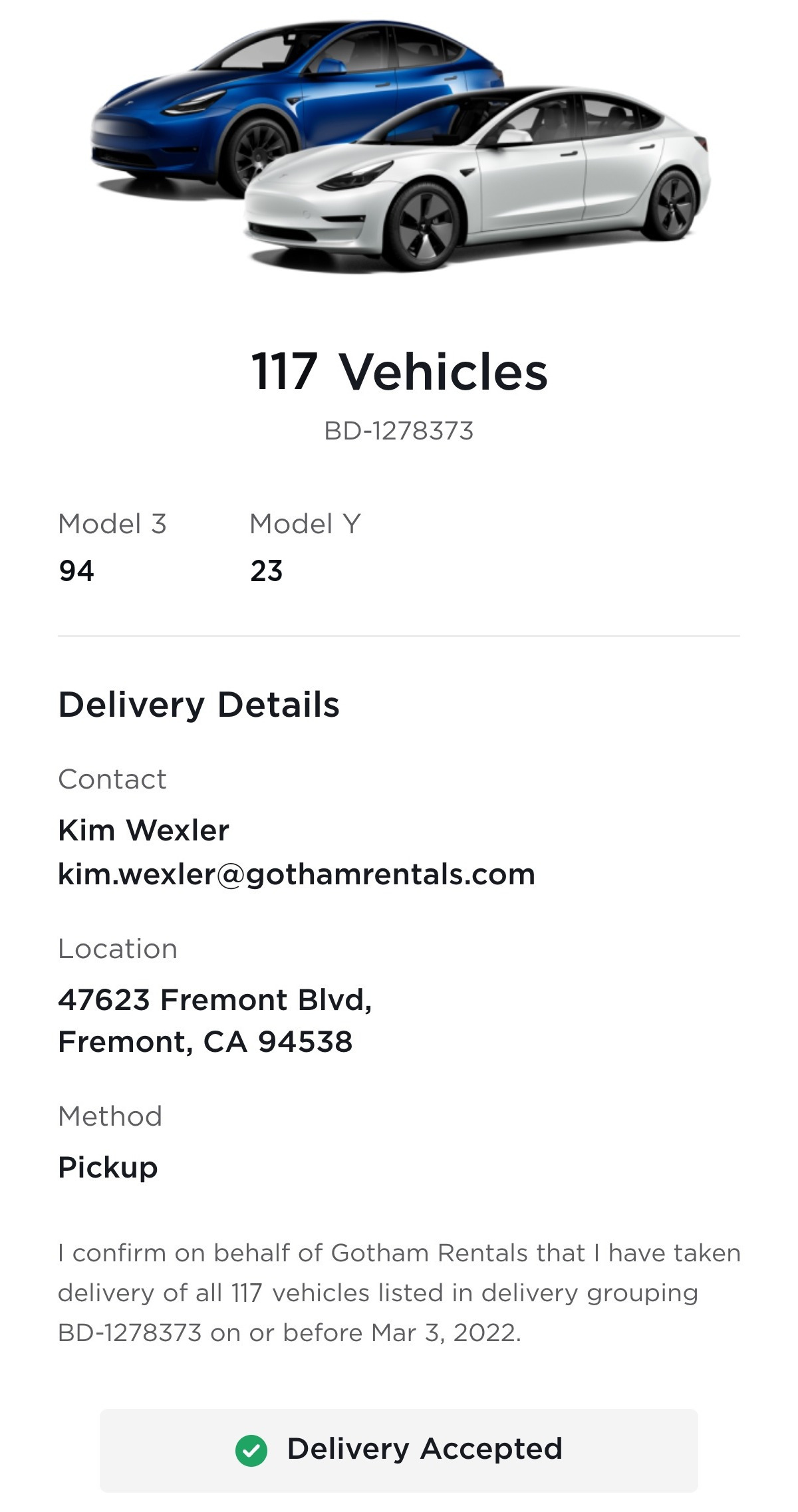
Tesla books revenue at delivery, so when Hertz ordered 100,000 Teslas in October 2021, the largest electric vehicle order anyone had placed, every hour counted. Accepting cars one at a time could not keep up, so I designed bulk delivery: a logistics team accepts hundreds of vehicles in one click. To get there, we gave up checking each car at handover. Fleets inspected after delivery instead, and I designed a way to flag a problem car later without holding up the rest. For every other fleet, I replaced three to five weeks of documents with a cart and a short checklist, and sales volume grew 150% year over year in 2022.
“It's a super intuitive system.”
Service
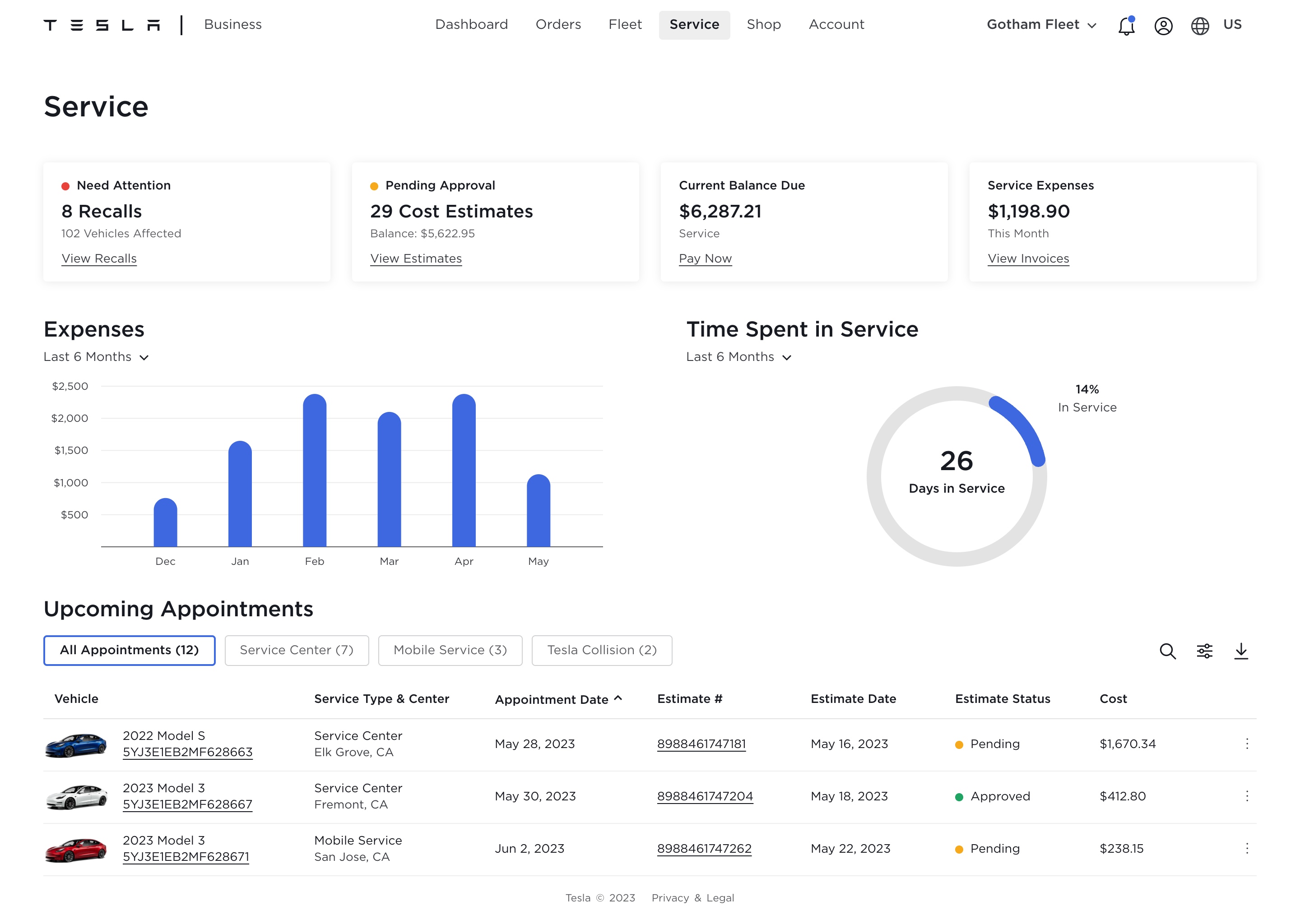
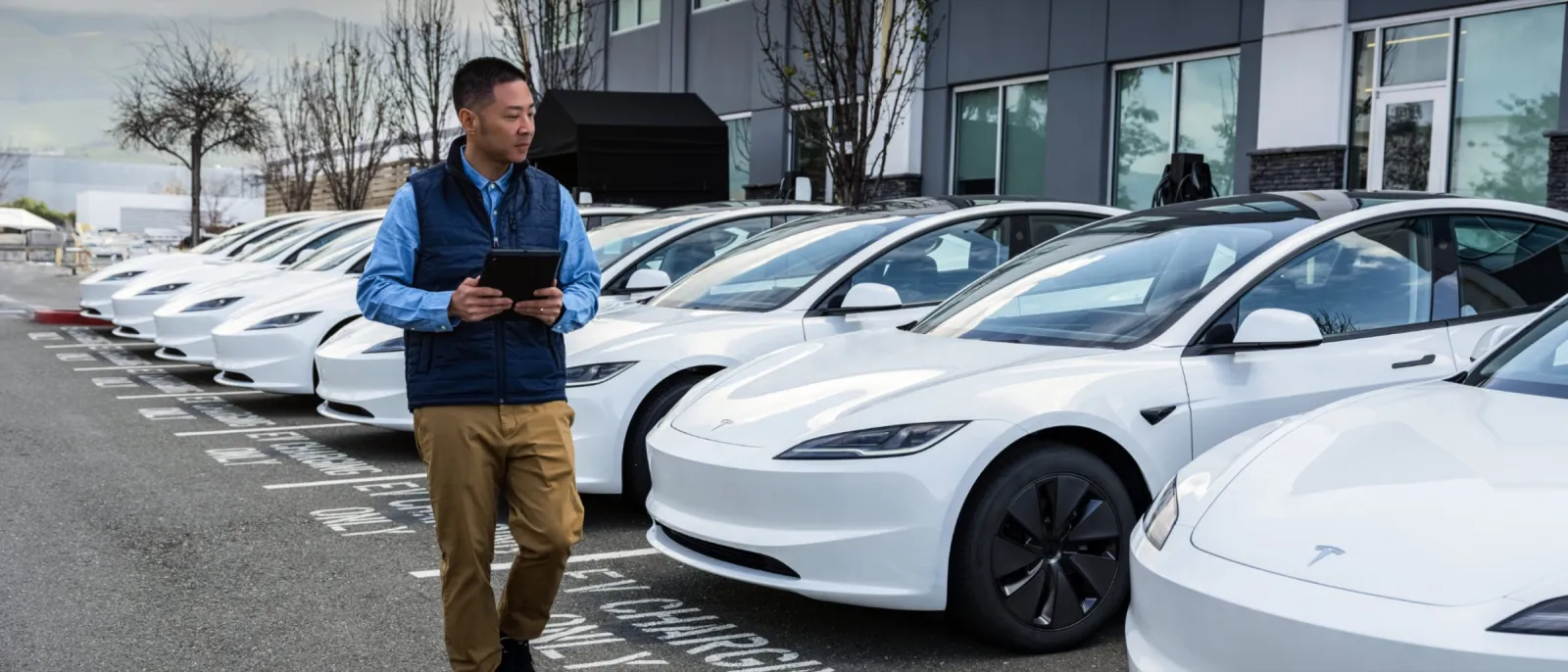
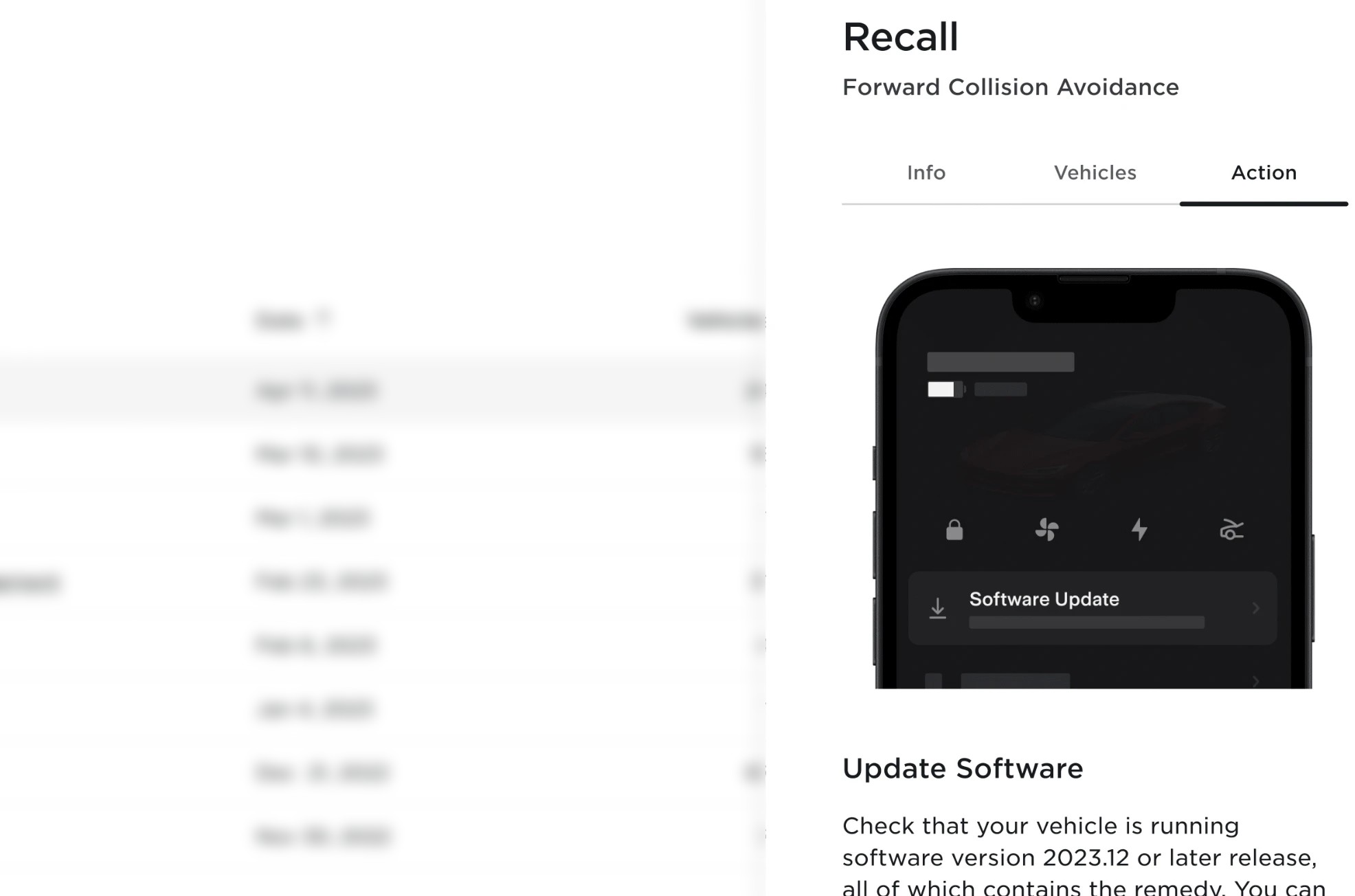
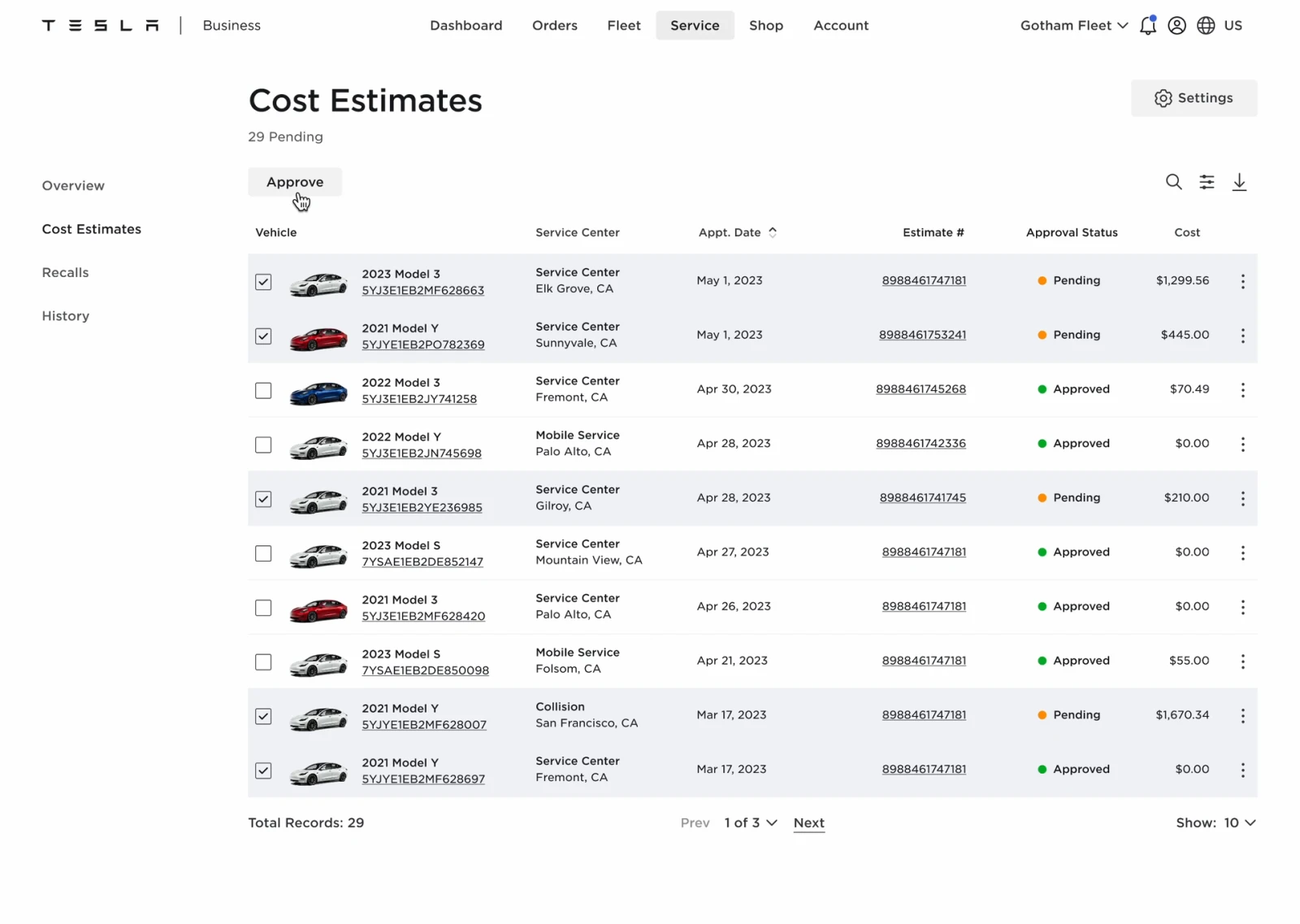
Service was costing Tesla sales: fleets had no alerts, costs or scheduling. I brought service into Tesla for Business, with repair estimates approved in bulk. That meant fleet managers stopped reading every line, so I showed the cost and the reason for each repair up front: a quick yes was still an informed one, and approvals went from 68% to 84%.
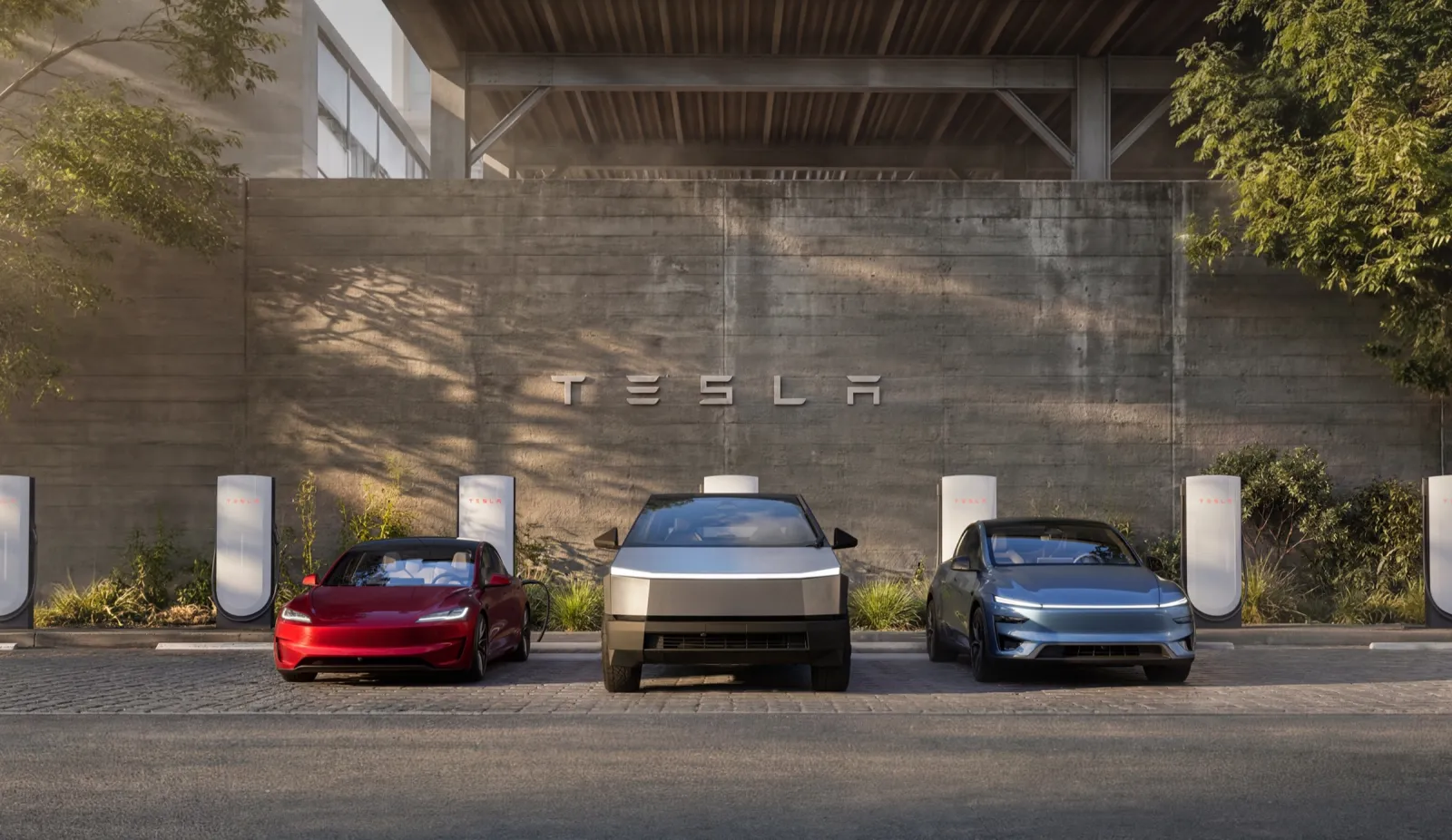
Charging
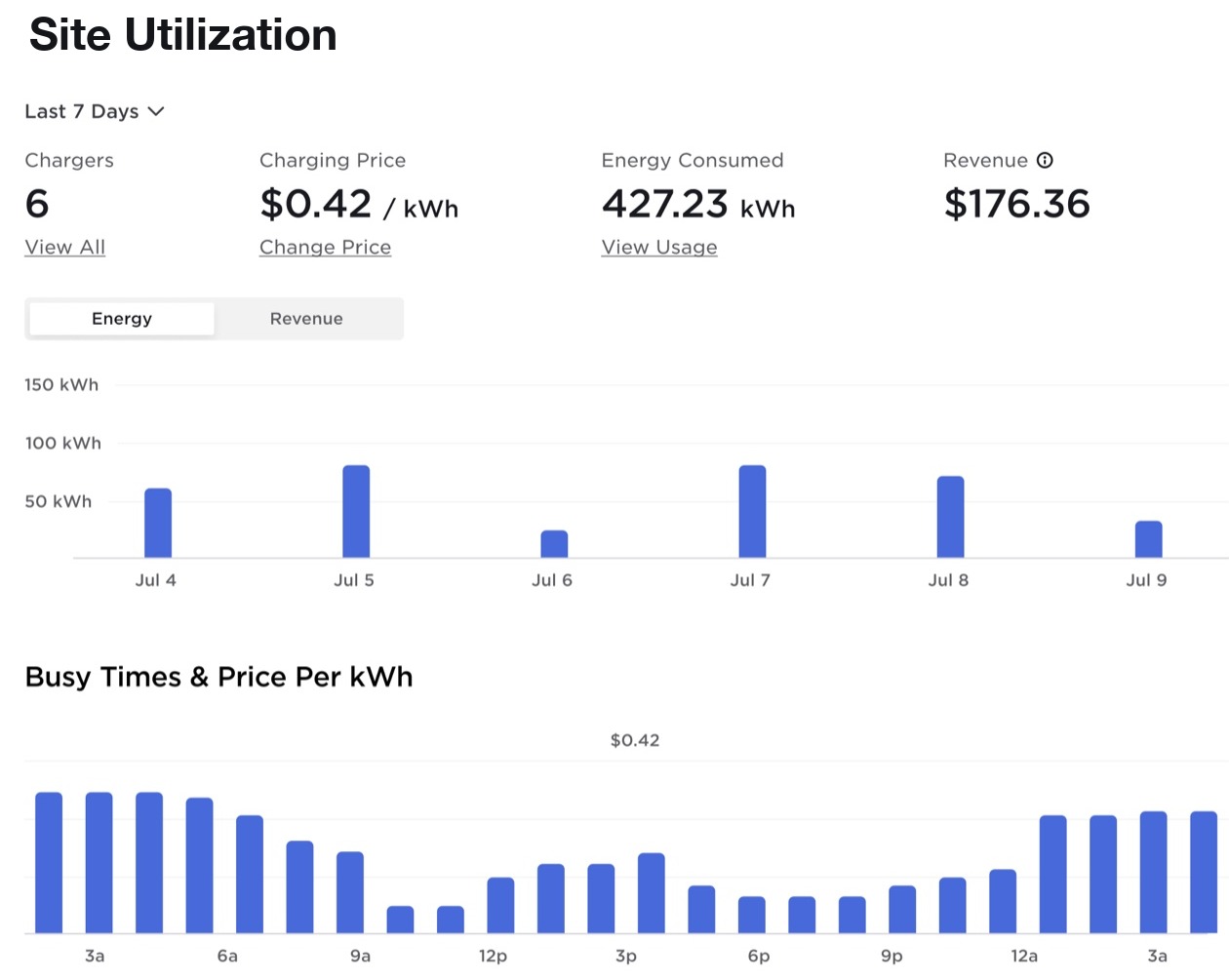
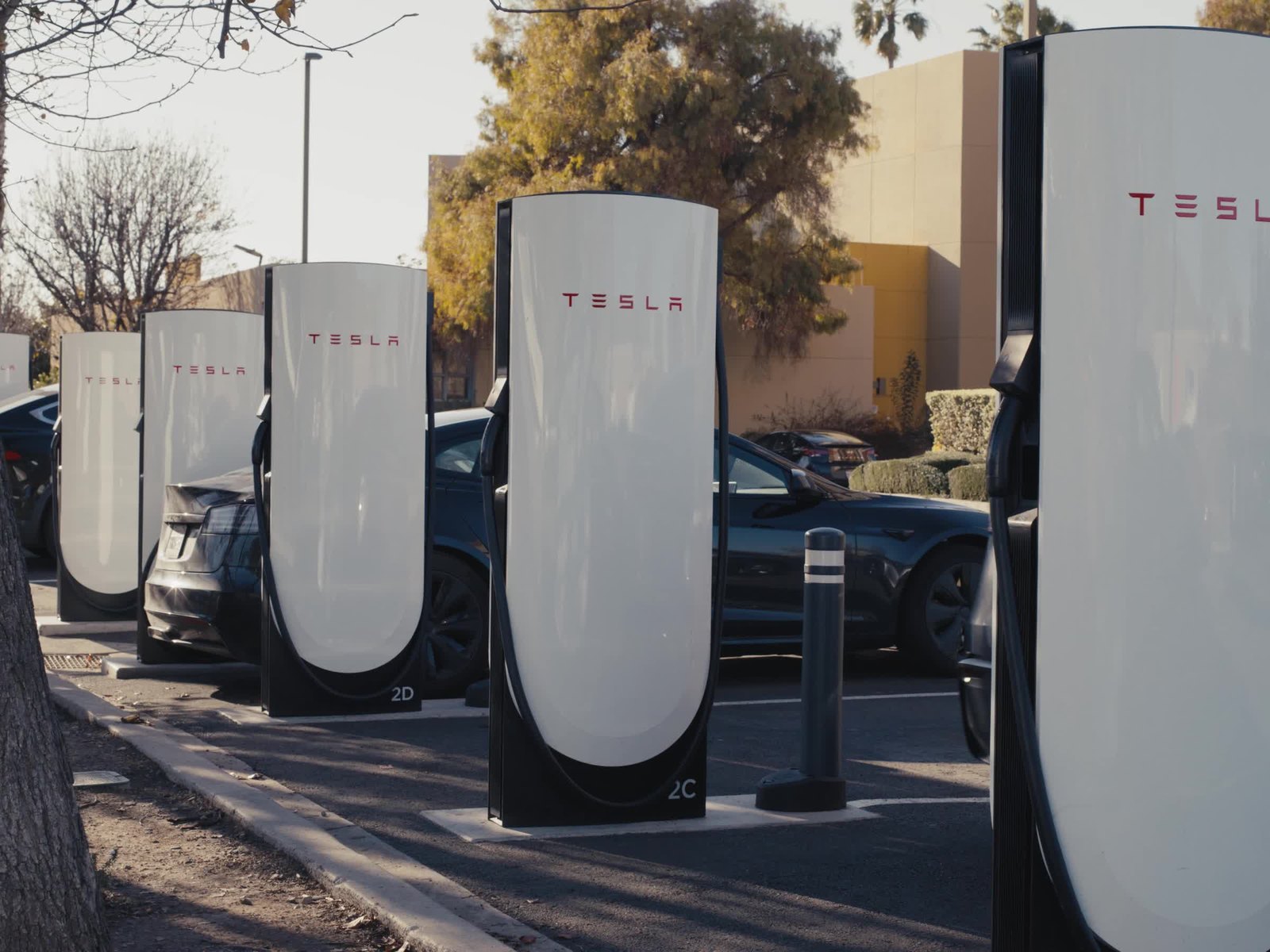
Fleets charge at Superchargers and at 2,000 Wall Connectors of their own. I designed the charging dashboard that keeps a full history of every session, with tools to share chargers and get paid.
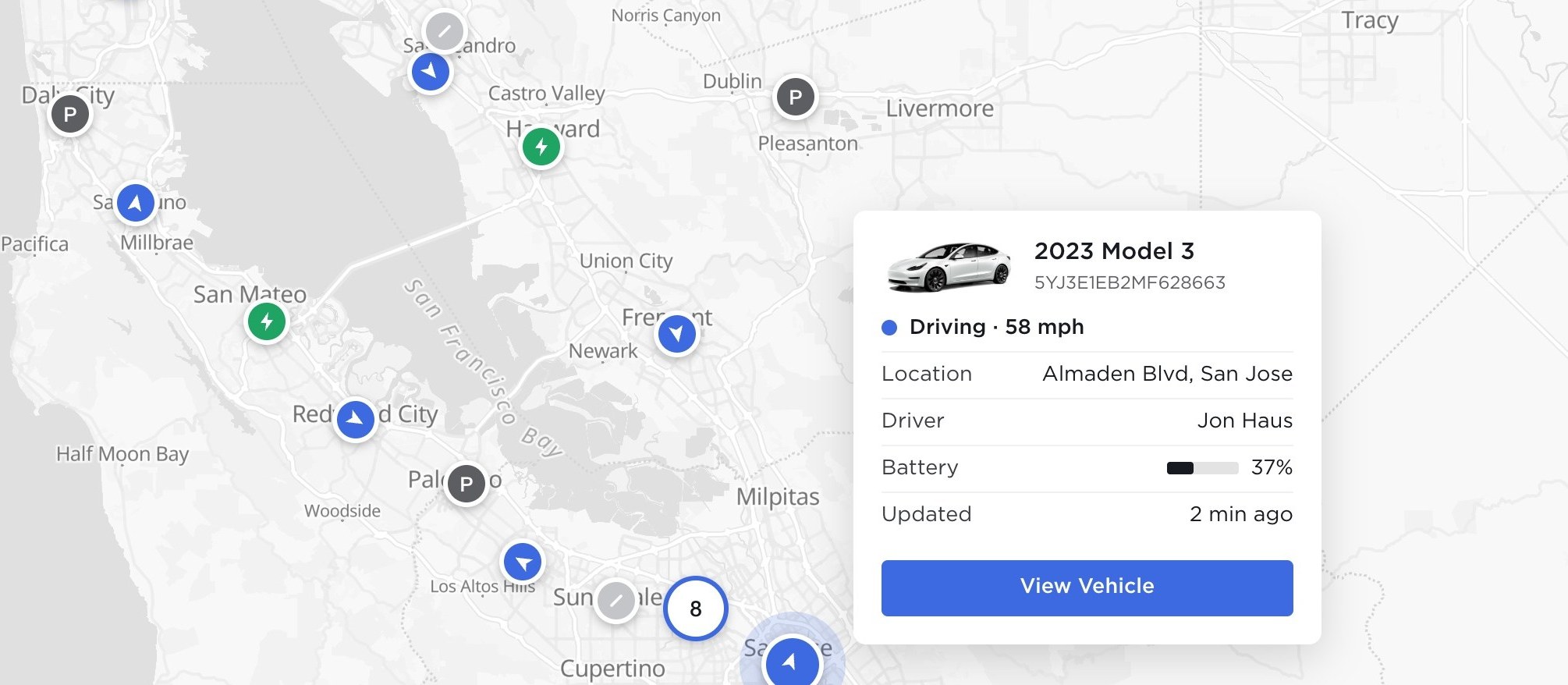
Fleet API
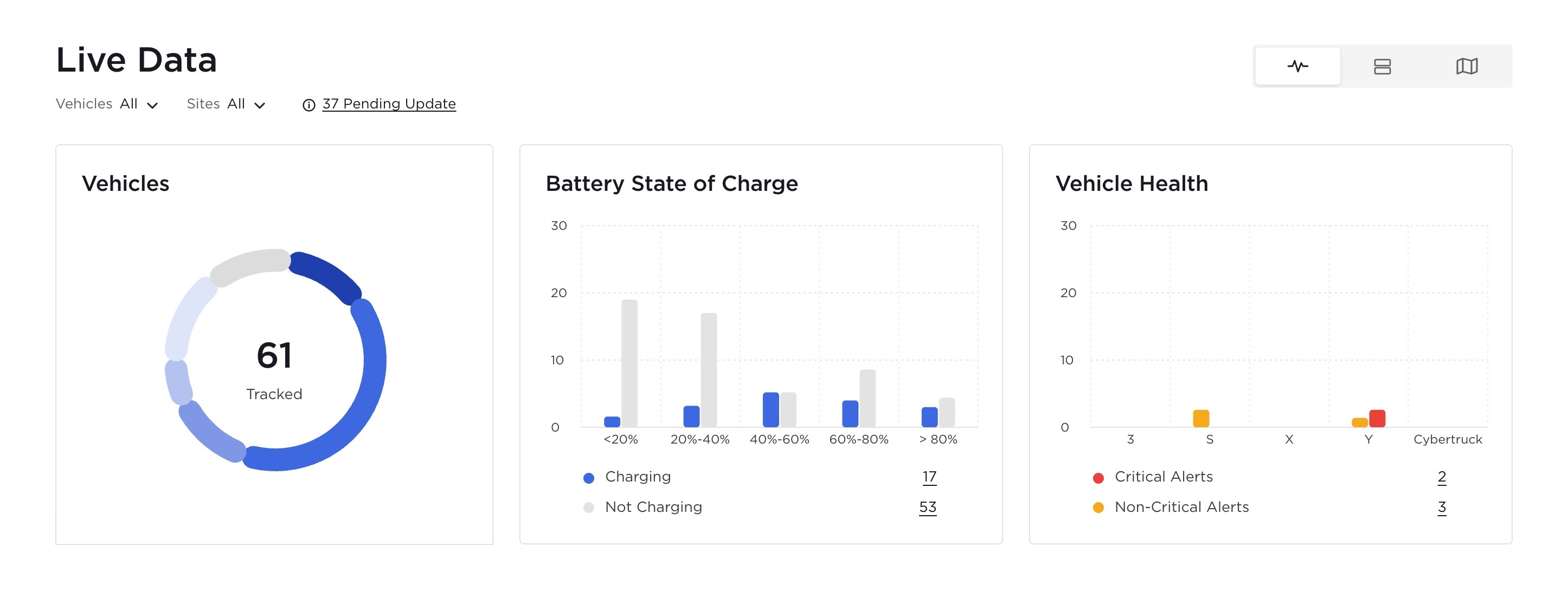
I led product strategy for Tesla's Fleet API, so companies could plug Tesla for Business into their own software. They read each car's status, send it commands, stream live telemetry to their own servers, and pull charging and energy data. Streaming gave fleets a 94% cost reduction: in Tesla’s developer docs, a large fleet’s 70 signals cost about $0.0067 an hour per car, against $0.12 for asking each car for its data.
Beyond cars
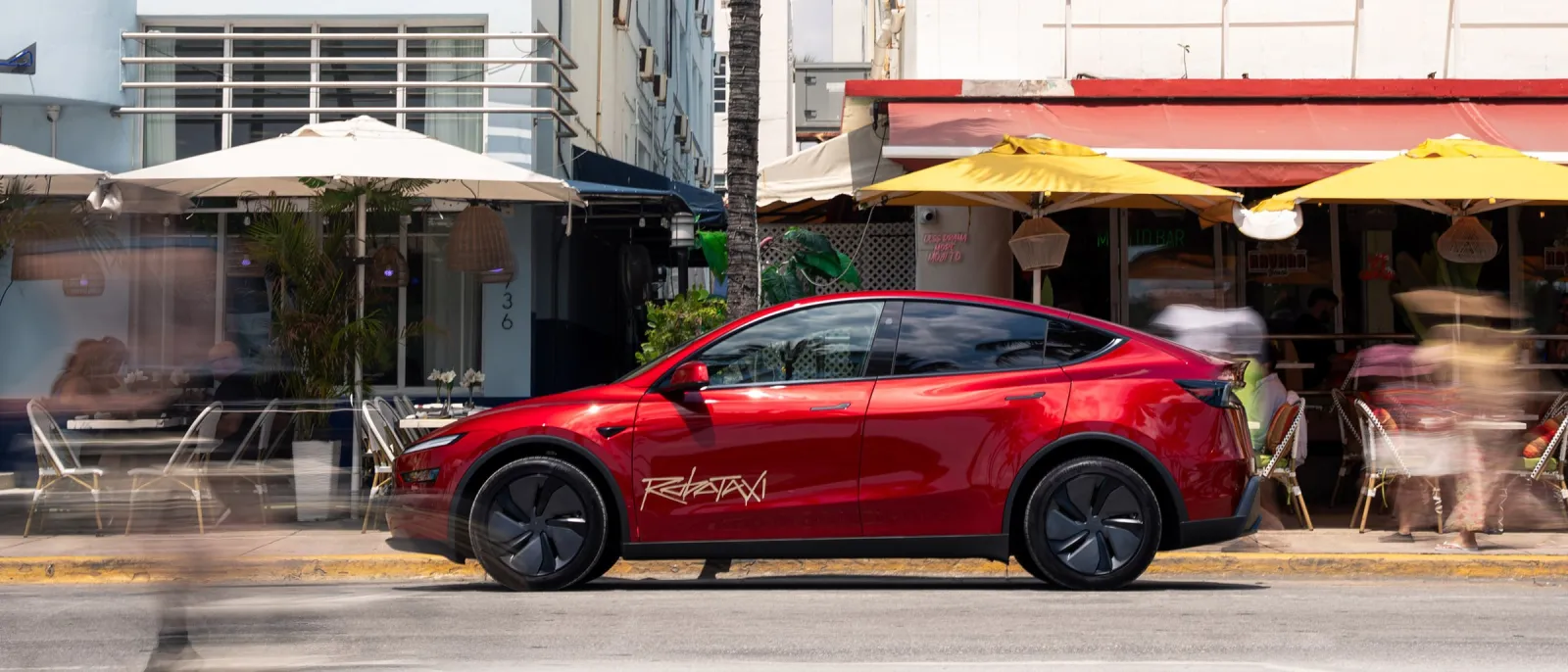
I designed it so a fleet is a fleet, which is why the same tools now run whole Supercharger sites, and could one day run robotaxis and robots.